I would like to introduce the book I am currently writing, The Philosophy of the Urodela Research Labratory. First, I will explain why I decided to write this book at this point in my life.
The reason I am writing this introduction in English on Facebook is that I would like people outside Japan to know what kinds of educational programs are being carried out in Japanese science education.
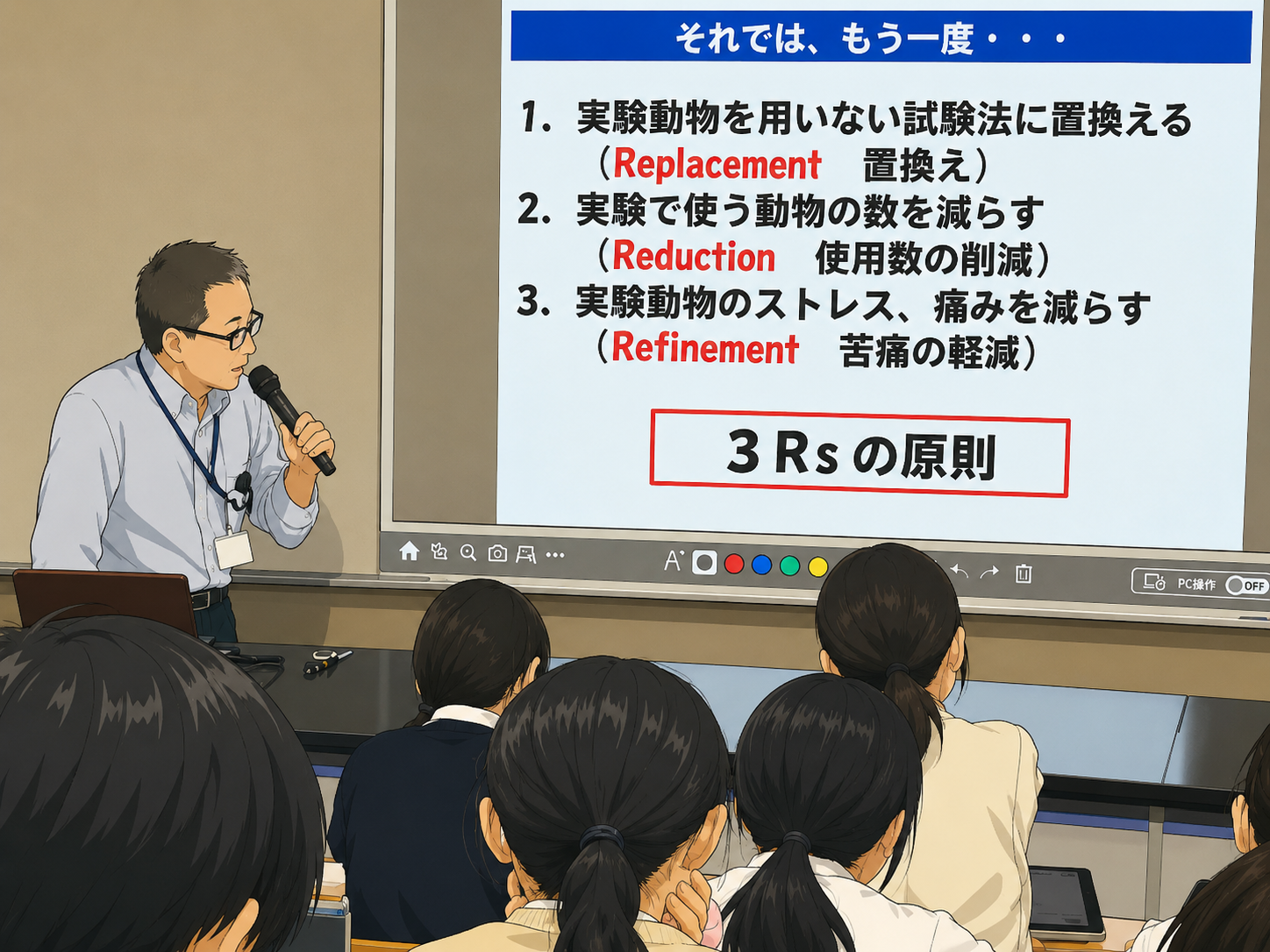
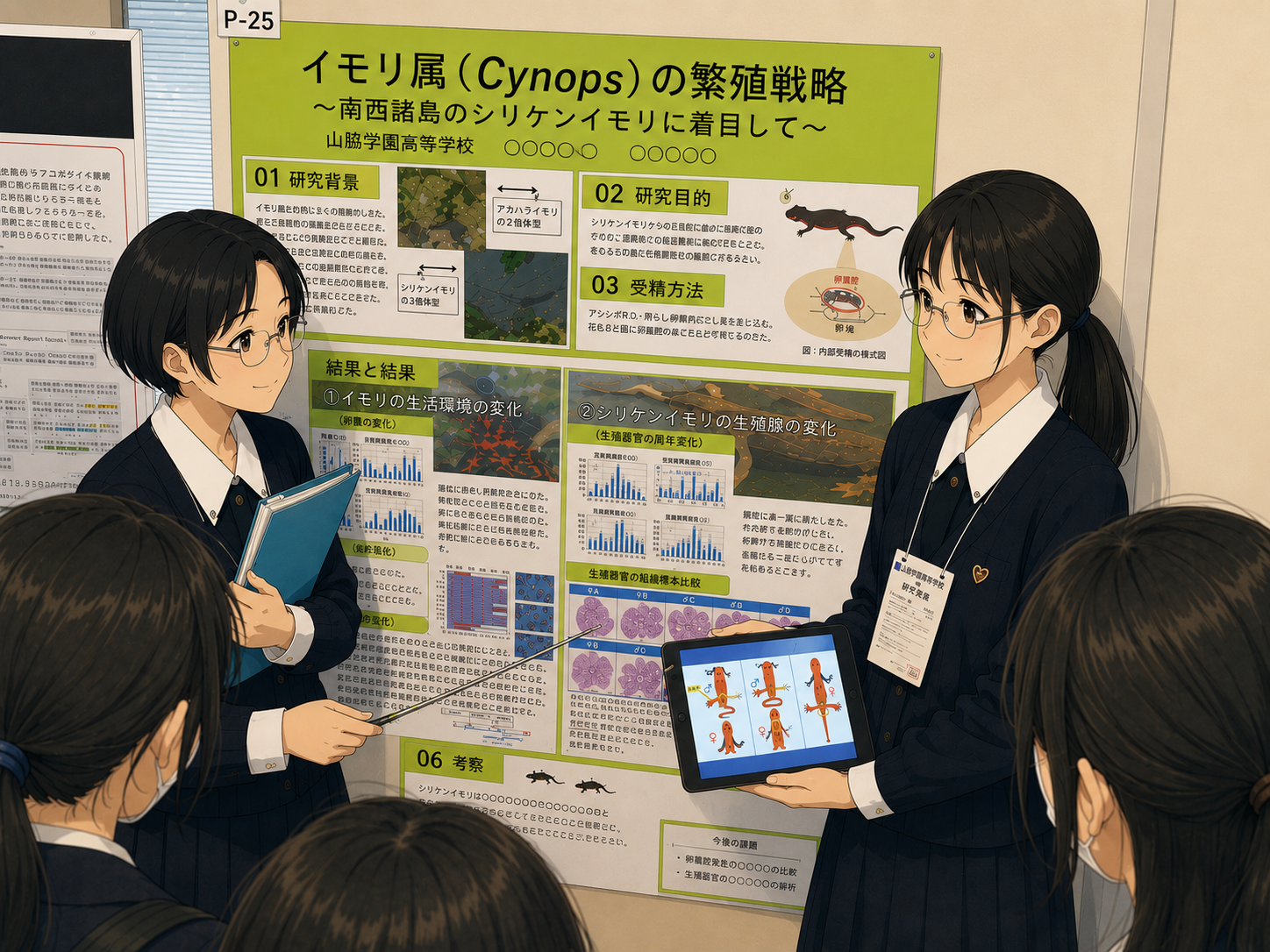
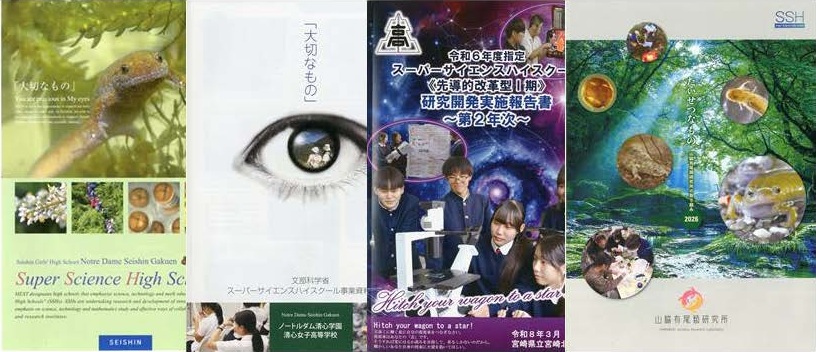
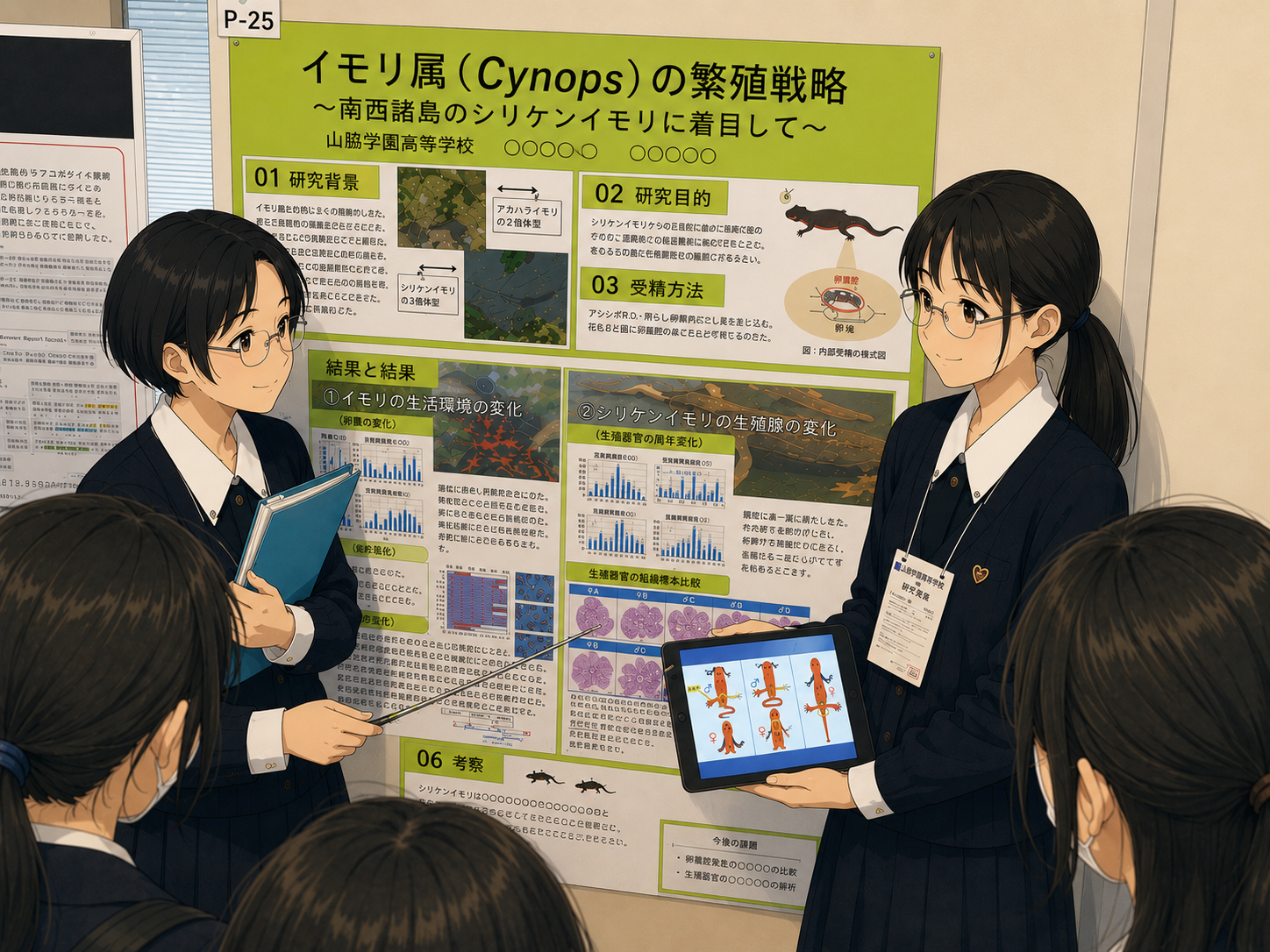
Super Science High School (SSH) is a designation awarded by MEXT to high schools that prioritize advanced science, technology, and mathematics education. The main goal of the SSH program is to cultivate future global leaders and innovators in STEM fields. Students engage in independent, inquiry-based research projects based on their own scientific interests. Our school collaborates with universities and research institutes to provide students with hands-on laboratory experience and expert lectures. Students have opportunities to present their research findings at national and international science fairs.
1. Twenty Years Involved with SSH
I was born in 1956, spent my childhood during Japan's period of rapid economic growth, and after graduating from university in 1979, entered the field of school education. I worked for approximately forty years as a high school science teacher. Of those years, the twenty years from the 2006 academic year onward were spent in connection with the Ministry of Education, Culture, Sports, Science and Technology's Super Science High School program, known as SSH.
For the first ten years, I served as the SSH coordinator at Seishin Girls' High School. After that, I became involved in science education at several schools as a member of SSH steering advisory committees and as head of an SSH Promotion Office. I began writing this book because I came to believe that passing on the experience I had accumulated over these twenty years might be a modest contribution to the science teachers who follow, and to those who are working toward school reform.
I did not set out from the beginning to take on the task of reforming science education. Before becoming involved in SSH, I was simply one science teacher at a girls' school in a regional area. I taught biology, served as a homeroom teacher, worked with students through the tennis club and student council, and was also involved in student guidance and sexuality education.
SSH is a program promoted by MEXT with the aim of developing educational programs for the training of future scientists and engineers. For that reason, one might assume that its focus should be on nurturing outstanding students with strong abilities in mathematics and science. However, what I sought to create was based on the belief that the experience of enjoying scientific research and engaging in inquiry-based activities would be meaningful for the future of girls.
That is why the "Life Science Course," which was established within the general academic curriculum in 2006, was not launched as a special advanced course aimed at entrance into highly selective universities. Instead, it was created as a course operated through an educational program centered on scientific research.
2. Education Through Long Engagement with a Single Subject
There is a book titled The Miracle Classroom: Echi-sensei and the Children of The Silver Spoon by Ujitaka Ito, which introduces the classes of a Japanese language teacher, Takeshi Hashimoto. At the center of this book is the class on Kansuke Naka's novel The Silver Spoon, which was taught at Nada Junior High School. Hashimoto spent the entire three years of junior high school reading this single work with his students. As they read, they followed their curiosity into many side paths: words, seasons, food, customs of daily life, sensory experiences, and even the movements of the characters' minds.
The reason his class came to be called a "miracle" was not simply that it produced the highest number of students admitted to the University of Tokyo in Japan. He did not teach Japanese as a technique for entrance examinations. Rather, by reading one book thoroughly, his students were able to examine their own ways of feeling and thinking, and to broaden their interest in society. The core of this education was not to teach quickly and in large quantities, but to stay with a single subject over a long period of time and to value the questions that branched out from it.
When I became responsible for sexuality education and confronted issues of gender within the sexuality education committee, I once again found myself facing the question: why are there so few girls who choose science-related fields? I came to believe that, in order for girls to choose the sciences with confidence, individual effort alone was not enough. Consideration and institutional support on the part of the school were also necessary. To move this forward, I went directly to the principal and asked, "May I put my ideas about science education to the test before the Ministry of Education, Culture, Sports, Science and Technology through an SSH application?"
In this way, we set our research theme as "Constructing an Educational Model for Girls' Schools That Can Support Women's Active Participation in Science and Technology, Beginning with the Introduction of a Life Science Course," and applied to the Ministry's Super Science High School program. At the hearing held by the Ministry, I was accompanied by Sister Kazuko Watanabe, who was then the chairperson of Seishin Gakuen.
At the interview, there was only a brief opening greeting from the school administration. After that, I was allowed to explain the educational program that I had designed. At the time, there were not as many schools designated as SSH schools as there are today, and many academically prestigious schools had gathered to apply. There were still no private girls' schools designated as SSH schools, so the application from Seishin Girls' High School must have appeared out of place. On the elevator ride back, Chairperson Watanabe offered a sharp assessment: "After being criticized that much, I suppose it will not be accepted." I still remember those words clearly. However, two months after the interview, in March, we received a telephone call notifying us that our application had been accepted. Thus, beginning in the 2006 academic year, Seishin Girls' High School embarked on its SSH project.
From that point on, I would remain involved in the SSH program for twenty years, serving as an SSH coordinator, a member of steering advisory committees, and the head of an SSH Promotion Office.
What Hashimoto achieved through The Silver Spoon was an education in which students faced a single subject over a long period of time and slowly nurtured the questions that emerged from it. I attempted to institutionalize that same structure within science research education at a girls' school, in the form of research projects that students could work on as part of their daily school life. Just as The Silver Spoon served in Hashimoto's classroom as an object through which students' thinking expanded, the urodeles I had studied for many years became, for my students, an object through which they could observe, form questions, consider their own paths, and gain the confidence to enter science-related fields.
3. Having One's Own Questions and Freedom
As I worked within the field of school education, what gradually became clear to me, as one human being, was the fact that education is an endeavor that can make people free, while at the same time it can also narrow the questions people are able to ask, under the pressure of institutions, evaluation, and the demands of society.
Education nurtures people. Yet it can also force them into a mold. Education opens up possibilities. Yet it can also confine those possibilities within measurable results. The sense of discomfort I continued to feel in school education was rooted in this contradiction.
Is education only a matter of developing human resources for a growing society? Before we ask about academic ability, university entrance, or achievement, should education not be a place where each person can have their own questions and give meaning to their own life? This question had long been flowing beneath my own educational practice.
Seen in this way, Japanese education can be understood as having moved back and forth between the systematic acquisition of knowledge and learning through experience. Education that begins from daily life has the strength of being rooted in the actual lives of children. Yet by itself, it also has the fragility of not necessarily reaching the systematic structure of academic disciplines or scientific thinking. On the other hand, education that emphasizes basic academic ability and systematic learning has the power to ensure that students acquire knowledge. But when taken too far, it carries the danger of leaving behind the questions that arise from the children themselves.
The science research projects I worked on were not an attempt to set these two approaches against each other. They were an attempt to connect knowledge and experience through questions. Knowledge is necessary. But people do not learn through knowledge alone. Experience is important. But experience alone does not become science. Only when knowledge and experience are connected through a question does learning become research. This is what I learned together with my students.
The life science education at a girls' school, the class titled "Life," the science research presentation meetings conducted by girls, SSH, the university open laboratory, and the Urodeles Research Institute introduced in this book may at first appear to be separate practices. Within me, however, they are connected by a single line. That line is the attempt to create places where students can have questions of their own and deepen those questions through relationships with others.
4. Why This Book Begins with Urodeles
This book is not an activity report on the Urodeles Research Institute. It is an attempt to consider, through the practice of education, how human beings come to have questions of their own and how they move toward freedom. Does a person grow when institutions are put in order? Does a person change when knowledge is given? Does a person become free when evaluation is carried out? I do not have simple answers to these questions. Yet after many years of practice, there is one thing I have come to feel with certainty.
When people have questions of their own, they begin to take responsibility for their own lives. What education must do is not to take those questions away, but to protect places where such questions can grow through relationships with others. The central question of this book is one: how does a person become free?
Freedom does not mean being able to do anything one wants. Nor does it mean the absence of external constraints. Human beings live within institutions, within relationships, and within systems of evaluation. It is impossible to escape all of them. Yet even within them, one can still have one's own questions. One can have a question, act in accordance with that question, and accept responsibility for the meaning of that action. This is what I would like to call freedom. The philosophy of the Urodeles Research Institute is an educational philosophy intended to support this freedom.
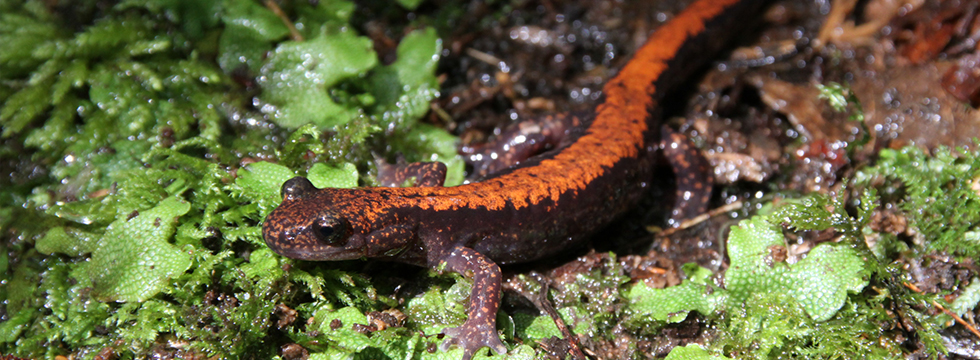
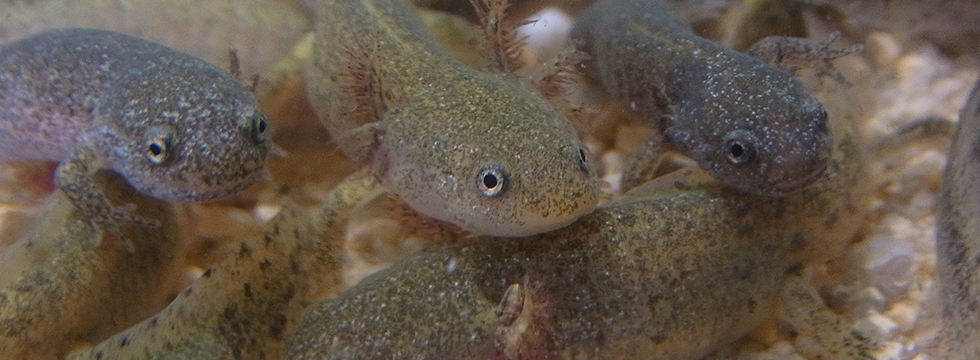
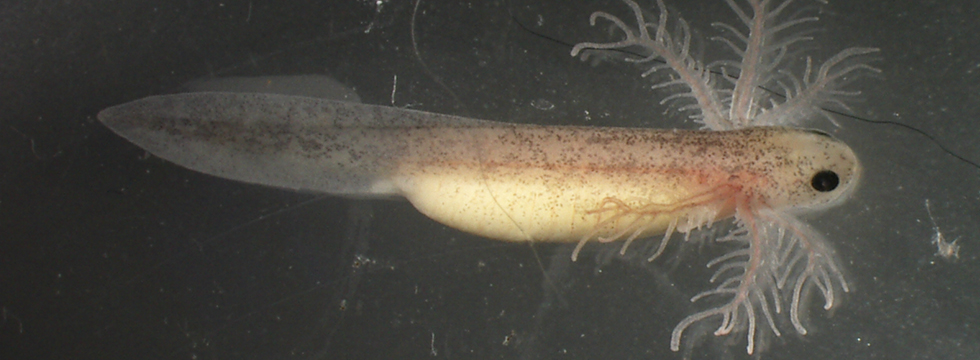
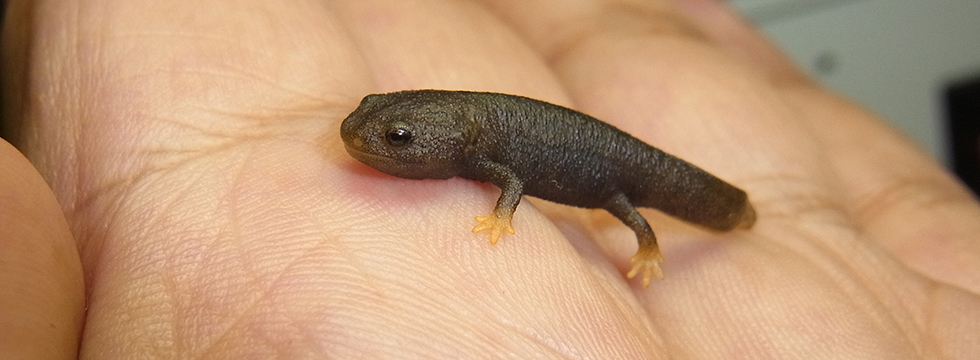
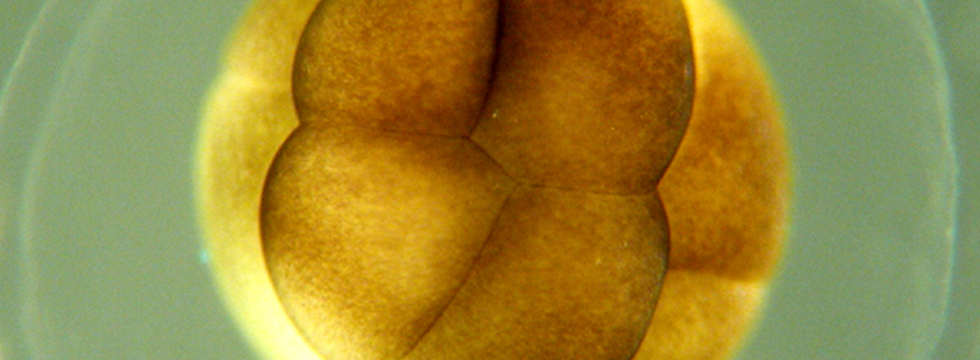
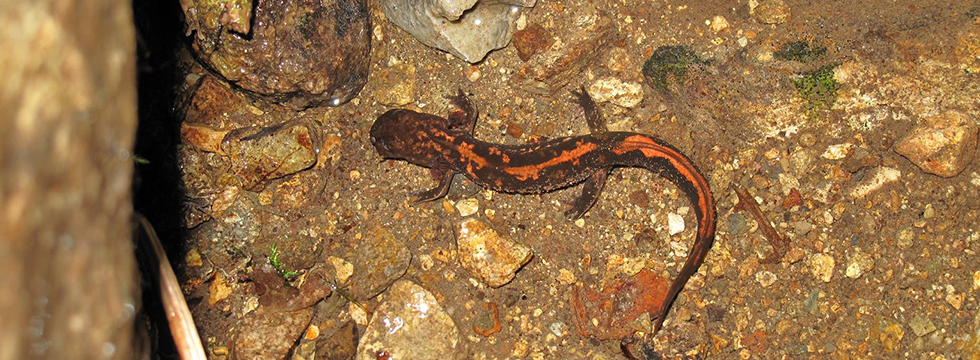
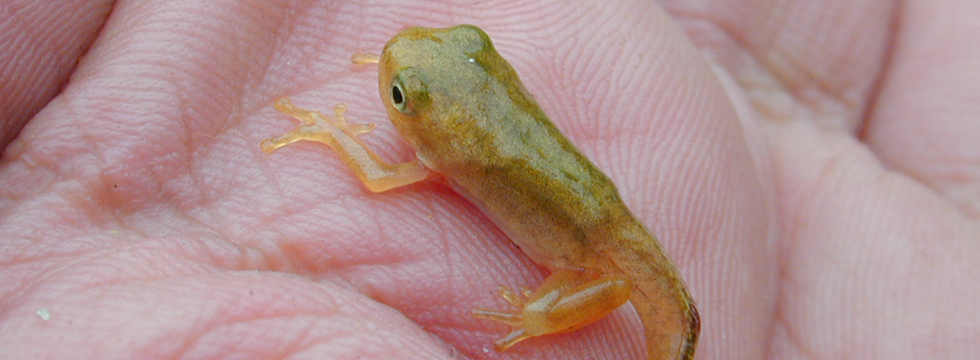
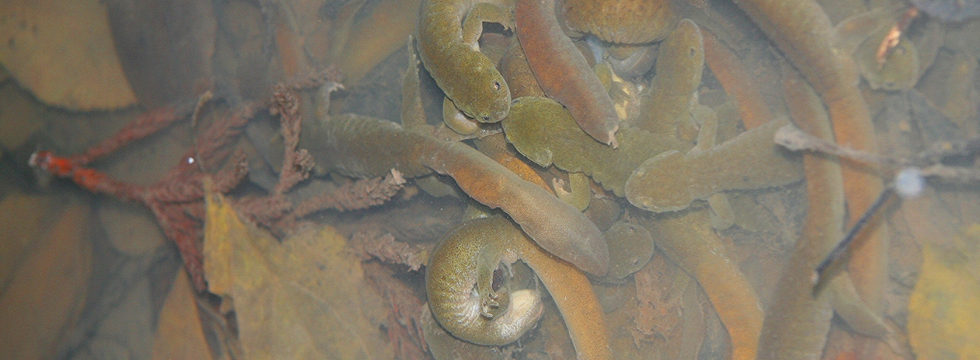
Its starting point was neither the classroom nor an institution. It was the experience of observing small living beings called urodeles. Newts and salamanders live quietly. They do not change in response to human expectations. Nor do they produce convenient results for the sake of the observer. For that very reason, the person who observes them must wait. One must continue watching. One must endure not knowing. This experience deeply overlaps with the work of education.
Students, too, do not change immediately. They do not act according to the teacher's expectations. Nor do they grow according to the plans prepared by the teacher. Yet within them, there are certainly signs of change. What a teacher can do is not to force those signs to appear. It is to prepare the conditions in which they can emerge, to wait, and to support them when support is needed.
That is why this book begins with urodeles. It starts from observation, moves toward science, proceeds to ethics, deepens questions through experience, creates relationships through presentation, develops into institutions such as SSH and open laboratories, and finally asks about the inner life and freedom of human beings. At first glance, this may seem like a long detour. For me, however, education has always been an undertaking that requires such detours.
Not giving answers too quickly. Not demanding results too quickly. Not reducing everything immediately to evaluation. Waiting until a question is born. Creating relationships that support that question. And believing in the figure of a person who, having come to hold a question, begins to take responsibility for their own life.
This book is a record of that practice. At the same time, it is also the trajectory of my own questions. Why have I continued to study urodeles? Why did I work on science education at a girls' school? Why did I try to open research to high school students? Why did I try to create a research institute within a school?
These questions are not separate from one another. They all converge on a single question: how do human beings come to have questions of their own, and how do they become free?